Recognizing the red flags
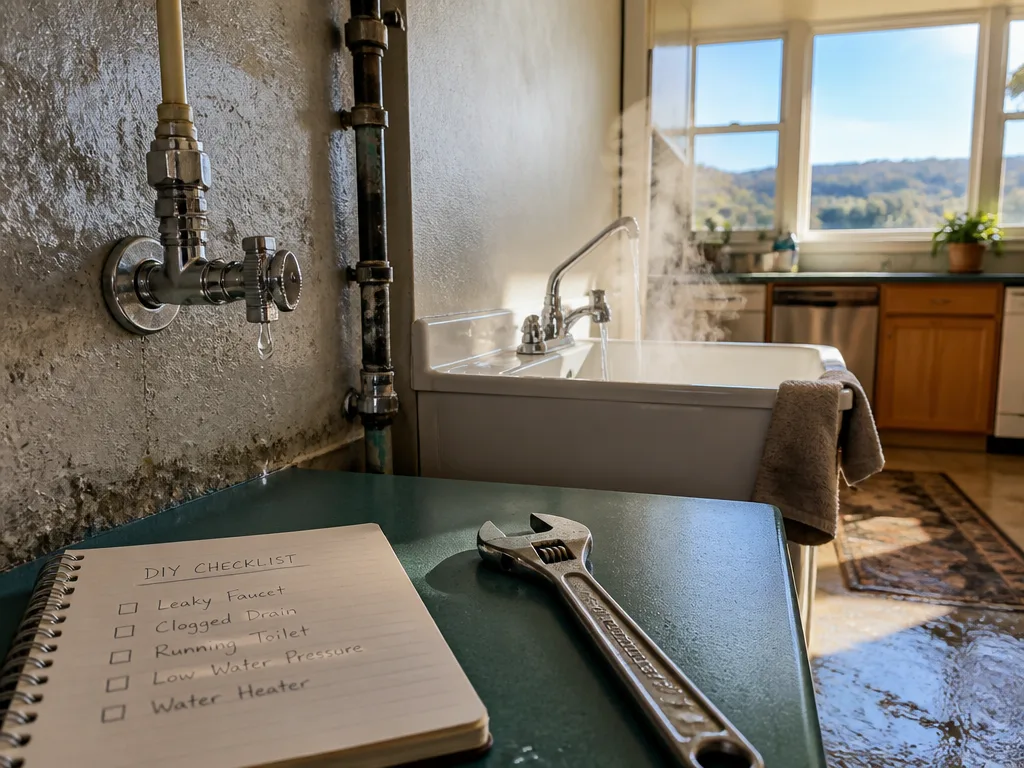
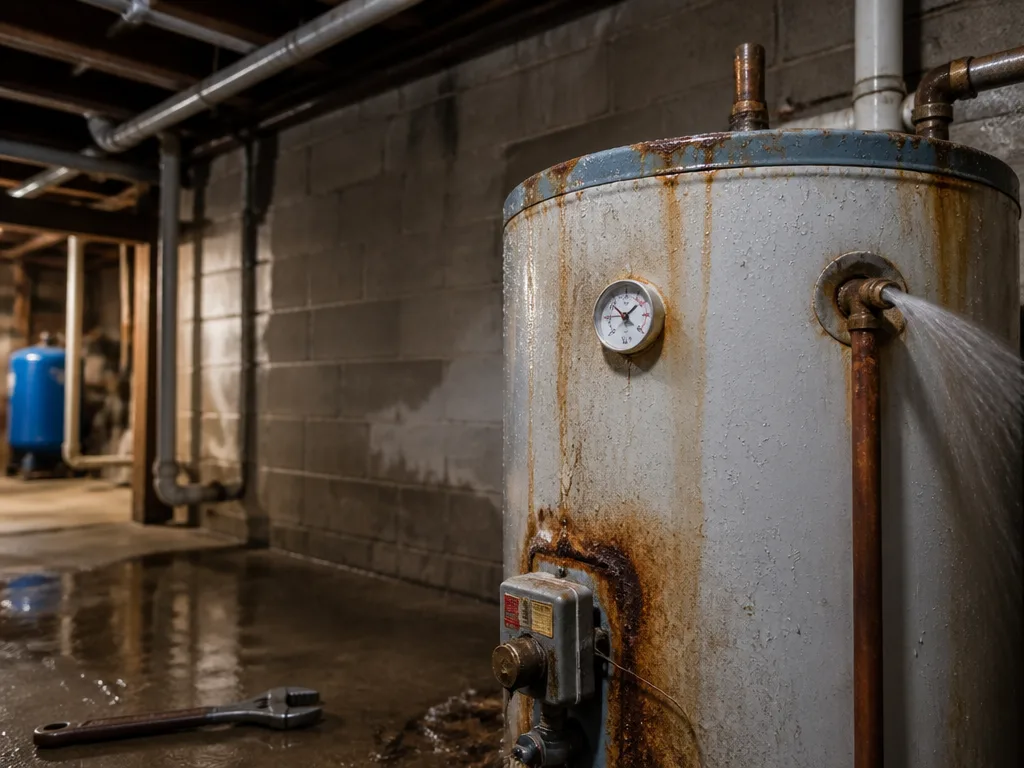
Plumbers in Tennessee hear the same signs from homeowners across the state. If your hot water runs out too soon, you notice rusty water, or you hear banging and groaning from the tank, these are indicators something isn’t right. A lack of hot water or inconsistent temps often points to sediment buildup, heating element problems, or a failing dip tube. Don’t ignore the warning, addressing it early can save money and prevent bigger bursts in a Tennessee home.
Another common signal is a sudden increase in utility bills with no change in usage. Sediment can insulate the tank, forcing the heater to work harder. If you see water around the base of the unit, that could mean a valve or tank leak. In Tennessee homes with older equipment, these symptoms are more likely to show up during seasonal shifts when demand changes.
What to do when you notice the signs
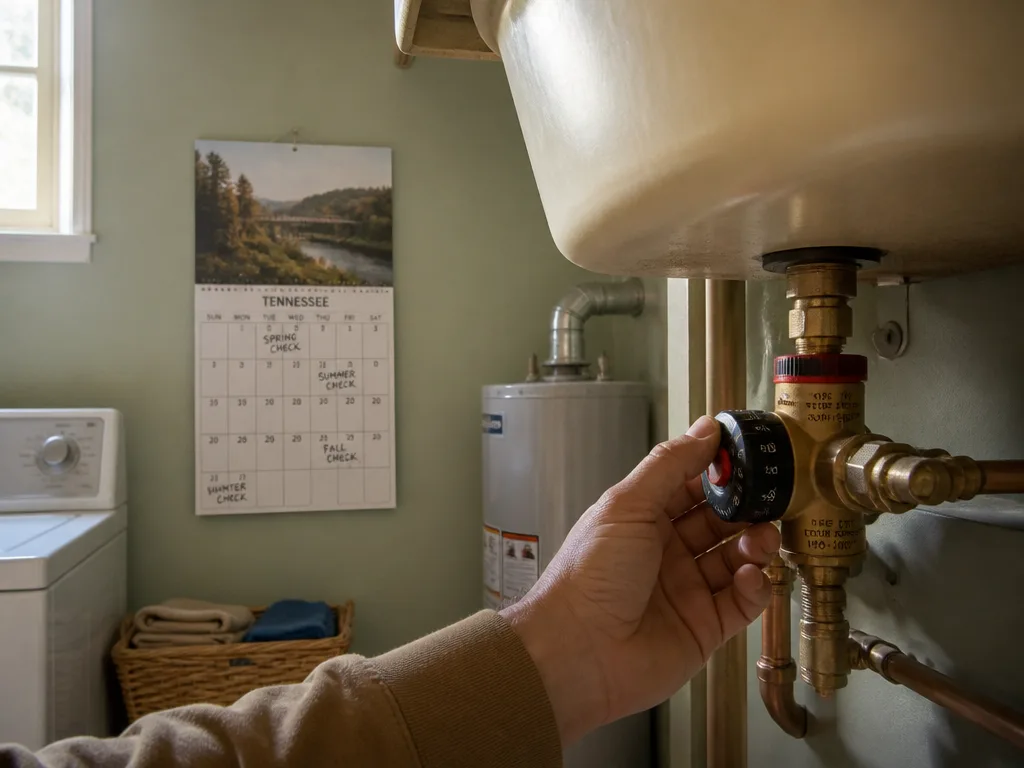
Start with a simple check: ensure the temperature is set to a safe but efficient level, typically around 120 degrees Fahrenheit. If the issue persists, it’s time to call our team. A licensed plumber will drain the tank, inspect the anode rod, check for corrosion, and evaluate the heating element. We’ll help you determine whether a repair or replacement makes the most sense for your Tennessee home.
When you call a plumber, expect a clear assessment and options. We won’t push unnecessary parts. Instead, our crew will explain the cause, the costs, and the expected lifespan of any fix. If a tank replacement is recommended, we’ll discuss tankless or traditional options that fit your home and budget across Tennessee.
Preventive steps for Tennessee homeowners
Regular maintenance goes a long way. Schedule an annual check to flush the tank and inspect the components. If your home has hard water, ask about a water treatment approach to reduce mineral buildup. Our teams in Tennessee can guide you on the best practice for your water chemistry and household demand, keeping your hot water dependable all year round.
Remember, angry signs today can mean bigger problems tomorrow. Keep an eye on temperature, listen for strange noises, and monitor for leaks. A quick call to a plumber can stop a small issue from becoming a big one, especially during Tennessee’s peak heating months.